

In recent years, deregulated energy markets have changed the landscape for electricity and renewable energy service providers. Deregulation has opened opportunities for competition, innovation, and consumer choice, but it also brings complexity for providers and customers alike. This blog will explain what deregulation means for consumers, explore the types of energy providers operating in these markets, highlight challenges and opportunities, and explain why omnichannel marketing is critical in capturing and growing market share.
Types of Energy Providers
Traditional Electricity Providers (Retail Electric Providers — REPs)
These companies sell electricity and typically source power from the wholesale grid. Pricing and contract terms vary, including fixed-rate, variable-rate, and indexed plans tied to market conditions.
Solar Energy Providers
Solar installers and energy service companies offer rooftop systems, community solar subscriptions, or power purchase agreements (PPAs). In deregulated markets, they may sell power directly or partner with REPs to deliver integrated renewable plans.
Green and Renewable Energy Providers
These providers match some or all customer usage with renewable generation such as wind, solar, or hydro. Plans commonly include Renewable Energy Certificates (RECs) or similar guarantees of origin.
Hybrid/Grid-Plus Providers
Hybrid providers combine traditional grid supply with distributed resources like battery storage and demand response. These solutions attract consumers focused on resilience, efficiency, and sustainability.
Deregulated States:
Where Choice Shapes Competition
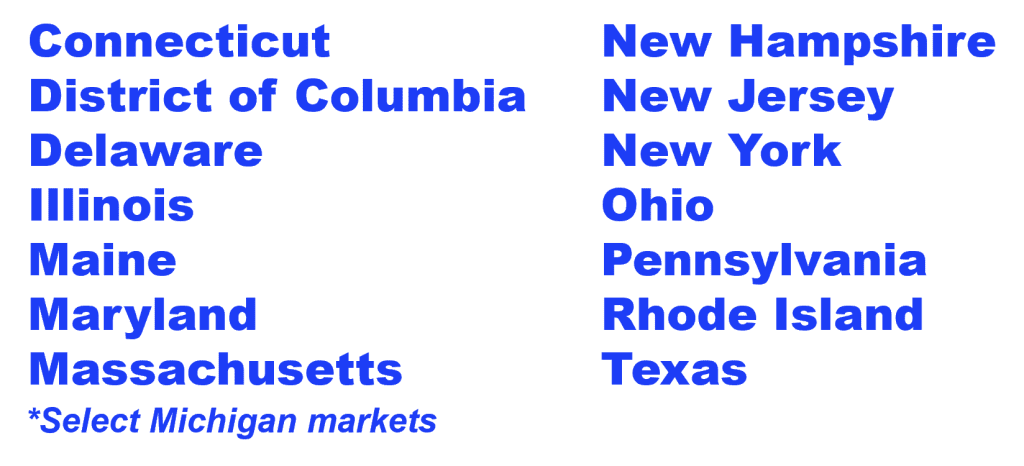
Across these deregulated jurisdictions, customers choose their electricity supplier instead of defaulting to a single utility. Within these markets, multiple REPs compete through varied pricing structures, contract terms, renewable options, and differentiated consumer value propositions.
What Deregulated Energy Markets Mean for Consumers
Benefits:
- Choice and Flexibility: Customers can select plans aligned to their priorities — lowest price, fixed-term stability, renewable content, or bundled services such as smart home protection. This flexibility allows households to tailor energy procurement strategies to budget tolerance, sustainability goals, and lifestyle needs.
- Competitive Pricing: Providers compete aggressively on rates, promotional incentives, and value-added benefits. This competitive dynamic can create downward pricing pressure while expanding loyalty rewards, referral bonuses, and bundled service offerings.
- Innovation: Deregulated markets accelerate product development. Offerings such as demand response participation, smart thermostat integration, prepaid electricity, and time-of-use pricing structures become commercially viable and more widely accessible.
Challenges:
- Complexity: Greater choice requires more diligence. Customers must evaluate rate structures, contract length, renewable content disclosures, and billing terms to ensure alignment with long-term cost expectations.
- Contract Risk: Certain plans include early termination fees, teaser rates, or variable pricing mechanisms that fluctuate with wholesale markets. Without careful review, customers may be exposed to unexpected cost swings.
- Marketing Saturation: High competition often results in frequent outreach across channels. Promotional volume and inconsistent claims can create confusion, requiring consumers to rely on comparison tools and transparent disclosures to make informed decisions.
Winning in Deregulation: Managing Risk While Unlocking Strategic Advantage
Deregulated markets intensify competition and compress margins, forcing energy providers to operate with greater precision across pricing, compliance, customer acquisition, and infrastructure investment. While the environment presents meaningful hurdles, it also creates distinct opportunities for providers that can differentiate, innovate, and execute with discipline.
4 Core Challenges
1. Escalating Customer Acquisition and Retention Costs
In competitive territories, providers battle aggressively for share of voice and share of wallet. Brands must invest in data analytics, targeting platforms, promotional incentives, and omnichannel media to win and defend accounts.
2. Regulatory Complexity
Operating across deregulated states requires navigating varied consumer protection laws, disclosure rules, renewable portfolio standards, and billing regulations. Compliance oversight demands operational rigor and increases administrative expense.
3. Wholesale Price Volatility and Margin Risk
Providers offering fixed or variable plans must manage exposure to wholesale market swings. Fuel price spikes, extreme weather, or supply disruptions can rapidly erode margins if hedging strategies are misaligned.
4. Infrastructure and Technology Investment
Delivering advanced products—time-of-use pricing, smart metering integration, demand response, distributed energy solutions—requires capital investment, systems integration, and ongoing platform maintenance.
3 Strategic Opportunities for Service Providers
Despite these pressures, deregulated markets reward providers that execute strategically and maintain a clear competitive focus.
1. Innovation and Differentiation:
Providers that promote innovation with renewable options, storage solutions, and flexible contract structures can stand out in crowded markets.
2. Data-Driven Engagement:
Usage analytics, customer segmentation, and personalized offers can drive retention and improve lifetime value. Providers that leverage data to anticipate renewal cycles and identify churn risk can allocate marketing investment more efficiently.
3. Brand Loyalty Through Experience:
Providers that foster trust, responsiveness, and consistent value delivery can grow lifetime customer value. Transparent communication, reliable service, and seamless digital tools contribute to stronger long-term retention in competitive deregulated environments.
3 Key Reasons Why Omnichannel Marketing Is Vital for Energy Providers
In highly competitive deregulated markets, single-channel outreach no longer delivers sustainable growth. Energy providers must engage consumers across digital, physical, and contextual environments—meeting them during research, relocation, renewal, and seasonal usage spikes. Coordinated omnichannel execution ensures consistent visibility and reinforces brand credibility at every decision point.
1. Strengthens Brand Recall and Trust
Energy plan decisions often unfold over several weeks—or even months—especially when contracts are expiring or households are moving. Consistent messaging across mail, digital, streaming, and out-of-home channels builds familiarity and reduces perceived risk. When customers encounter aligned creative themes and value propositions repeatedly, trust increases and switching friction decreases.
2. Amplifies Engagement Across the Customer Journey
Each channel serves a distinct strategic role in guiding prospects from awareness to enrollment and retention:
- Trigger Marketing Mail (New Mover and Recent Movers): Reaches consumers soon after and in the year following a high-value life moment, at a peak window when consumers may have more time to consider a new provider when their initial contract expires. Physical mail provides credibility, personalization, and drives digital follow-up behavior.
- Display Advertising: Maintains brand visibility during passive browsing and supports retargeting for rate shoppers comparing multiple providers.
- Search Engine Marketing (SEM): Captures high-intent consumers actively searching for fixed rates, renewable plans, or contract flexibility. SEM converts demand already in motion.
- Paid Social: Builds engagement through storytelling, testimonials, educational content, and referral incentives. Social platforms support both acquisition and lifecycle messaging.
- Shared Mail Wrap: Delivers broad household penetration with geographic precision. It reinforces local presence while supporting digital and direct response campaigns.
- Connected TV (CTV): Provides high-attention, in-home storytelling that elevates brand positioning beyond price competition. CTV strengthens emotional resonance and recall to drive favorability with in-market consumers.
- Digital Out-of-Home (DOOH): Extends messaging into real-world environments such as commuter corridors and retail districts. Contextual placements during weather spikes or renewal seasons can reinforce urgency.
- Streaming Audio: Engages consumers during commutes, workouts, and at-home listening sessions. Audio messaging offers frequency and reinforcement in screen-free environments, strengthening recall alongside visual channels.
When orchestrated together, these channels create layered exposure that increases the likelihood of conversion while reducing reliance on any single tactic.
3. Facilitates Better Personalization and Retention
An omnichannel framework allows providers to unify customer data across touchpoints—mail response, digital behavior, streaming exposure, and enrollment activity. This integration enables more precise segmentation, targeted renewal offers, loyalty rewards, and proactive churn mitigation. Personalization not only improves acquisition efficiency but also drives higher lifetime customer value.
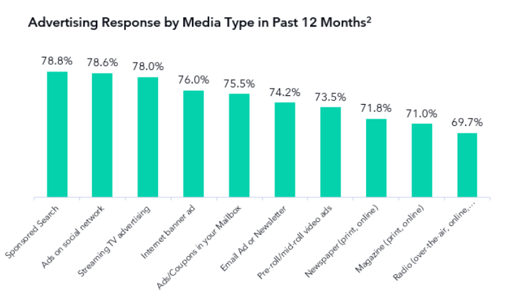
To Put it Simply: Energy Consumers Respond to Mail and Digital Media
Advertising response data shows that energy consumers engage strongly with both direct mail and digital media channels, including search, social, streaming TV, and online display. This performance pattern underscores the importance of integrating physical and digital touchpoints rather than treating them as isolated efforts.
For energy providers seeking to grow share in deregulated markets, the data is clear: omnichannel alignment is not optional—it is foundational to sustained acquisition and retention success.
Conclusion
Deregulated energy markets expand consumer choice and accelerate innovation, but they also raise the bar for engagement, transparency, and brand differentiation. In high-competition environments, sustainable growth depends on precision targeting, disciplined messaging, and synchronized omnichannel execution — from shared mail and paid search to CTV, digital display, mobile, and streaming audio.
Mspark’s Energy Provider One-Sheet outlines a strategic framework built specifically for competitive utility markets, detailing how data-driven audience segmentation, coordinated media deployment, and performance measurement can reduce acquisition costs while improving retention. Providers that align marketing investment with behavioral insights and lifecycle timing will be best positioned to expand share, strengthen lifetime value, and build durable customer relationships in deregulated states.